Fuel and charging
Identify long gaps, mountain roads, and late-night stretches where fuel choices thin out. Estimate fuel with the Fuel Economy Trip Calculator, then stop earlier than you think you need to.
Plan Your Route
If the map says eight hours, your day can still become ten once you add meals, fuel, bathrooms, photos, traffic, and check-in. Plan for about four to six hours of actual driving on relaxed days so stops stay fun instead of rushed.
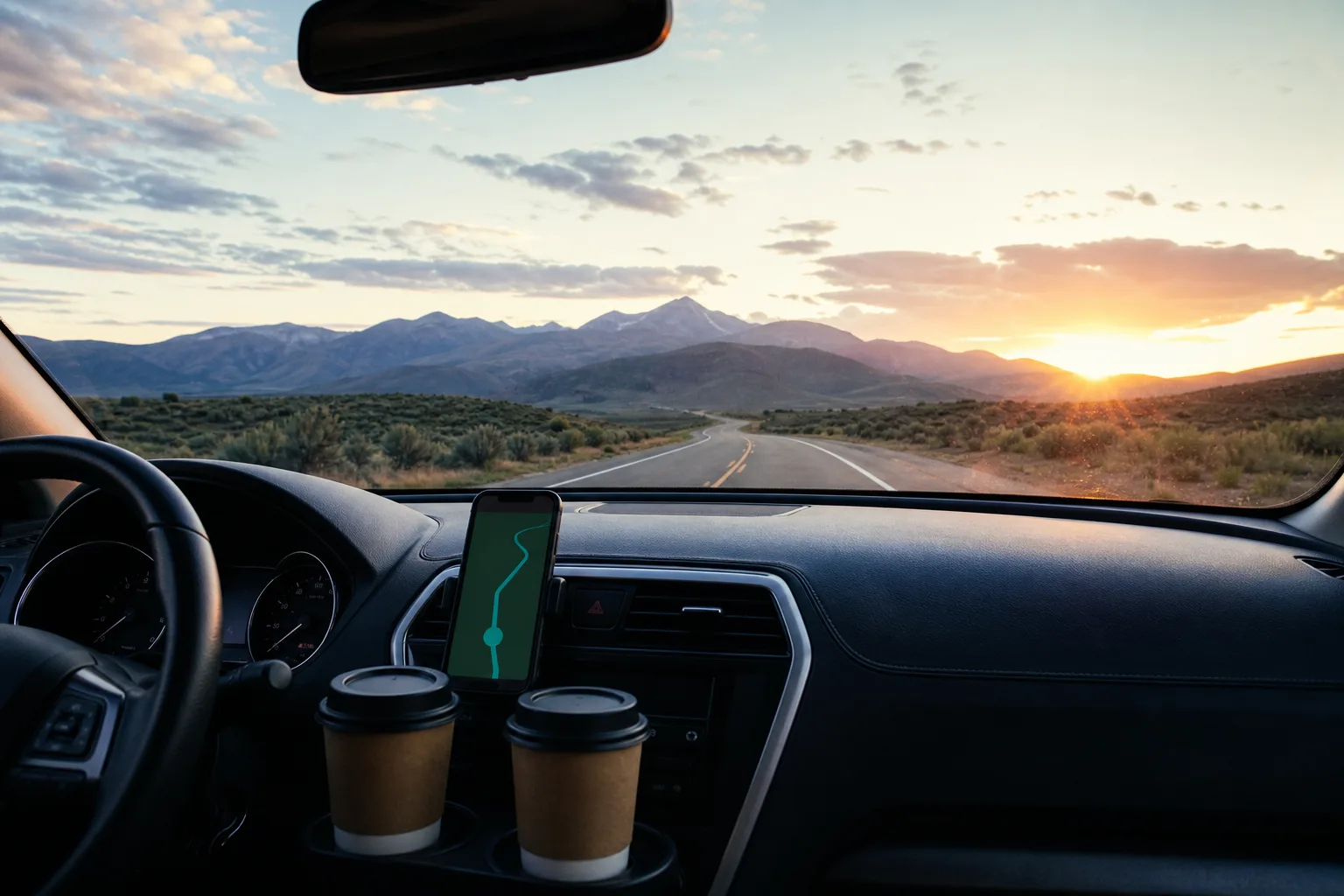
Map apps are good at distance, but they do not know your group. Start with time, then choose miles. Before you lock the overnight town, check official park pages through NPS Plan Your Visit for alerts, timed entry, shuttle rules, or seasonal closures.

Route checklist
Identify long gaps, mountain roads, and late-night stretches where fuel choices thin out. Estimate fuel with the Fuel Economy Trip Calculator, then stop earlier than you think you need to.
Save one quick option and one sit-down option near your midpoint. A picnic stop can be faster and happier than another drive-through.
Choose a backup overnight town and a rainy-day stop. Check the National Weather Service the night before mountain passes, desert heat, or coastal storms.
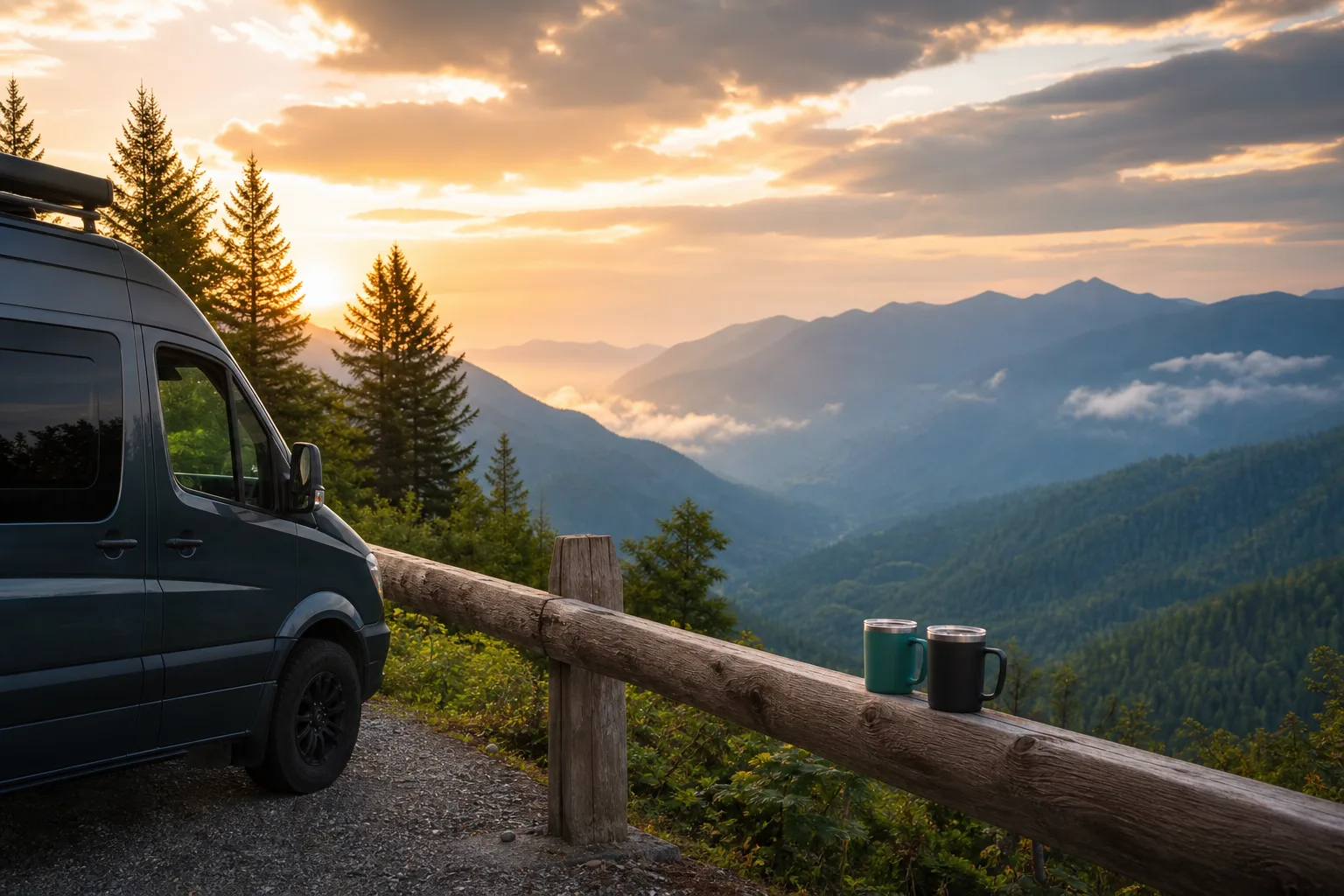
Every break should do a job: reset attention, stretch hips, let kids move, refill water, or give everyone a view worth remembering. For public-land overnights, compare official options on NPS campgrounds before assuming there will be space.
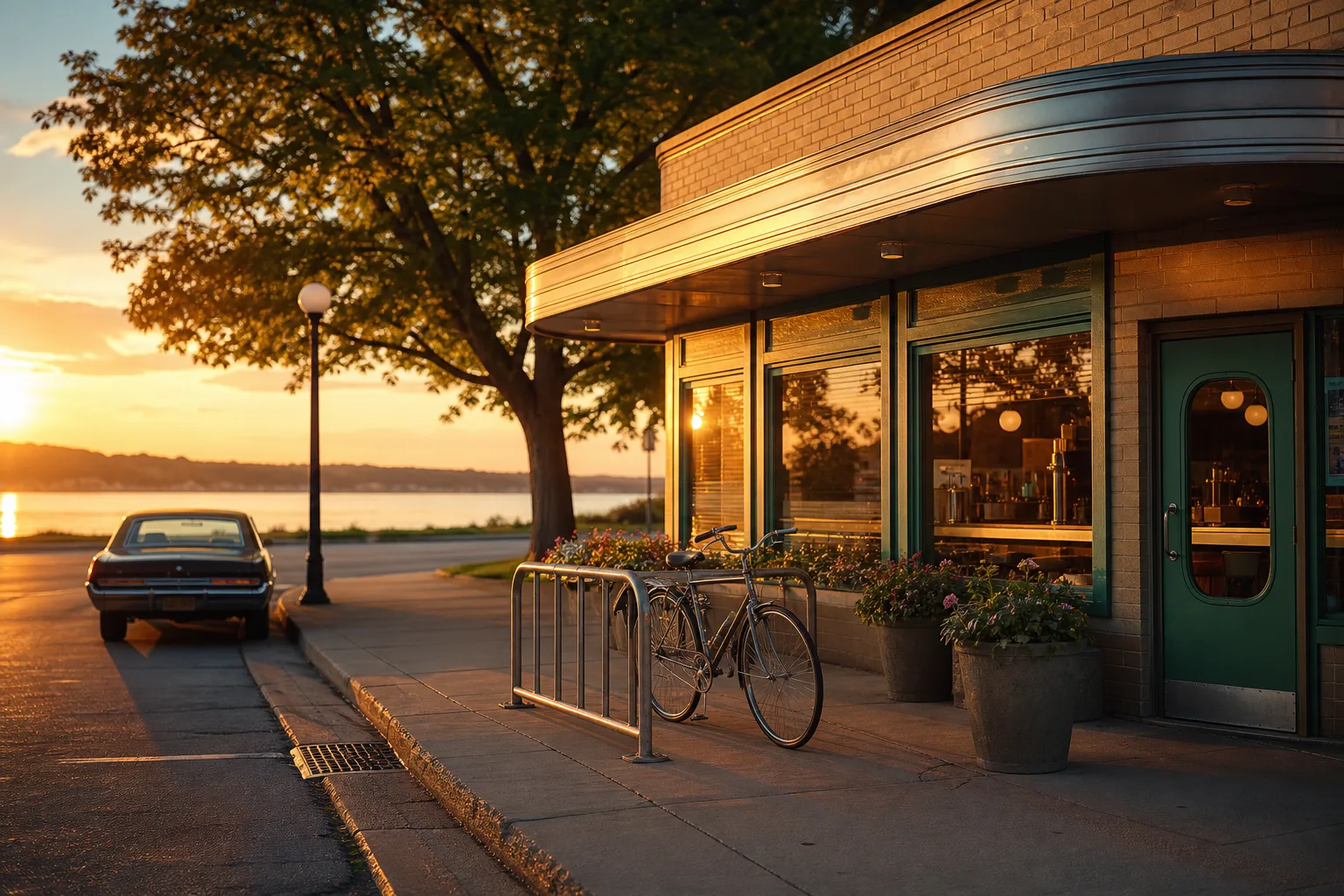
Look for downtown squares, waterfront parks, farmers markets, historic main streets, and official scenic routes. America's Byways is useful when you want the drive itself to be part of the destination.