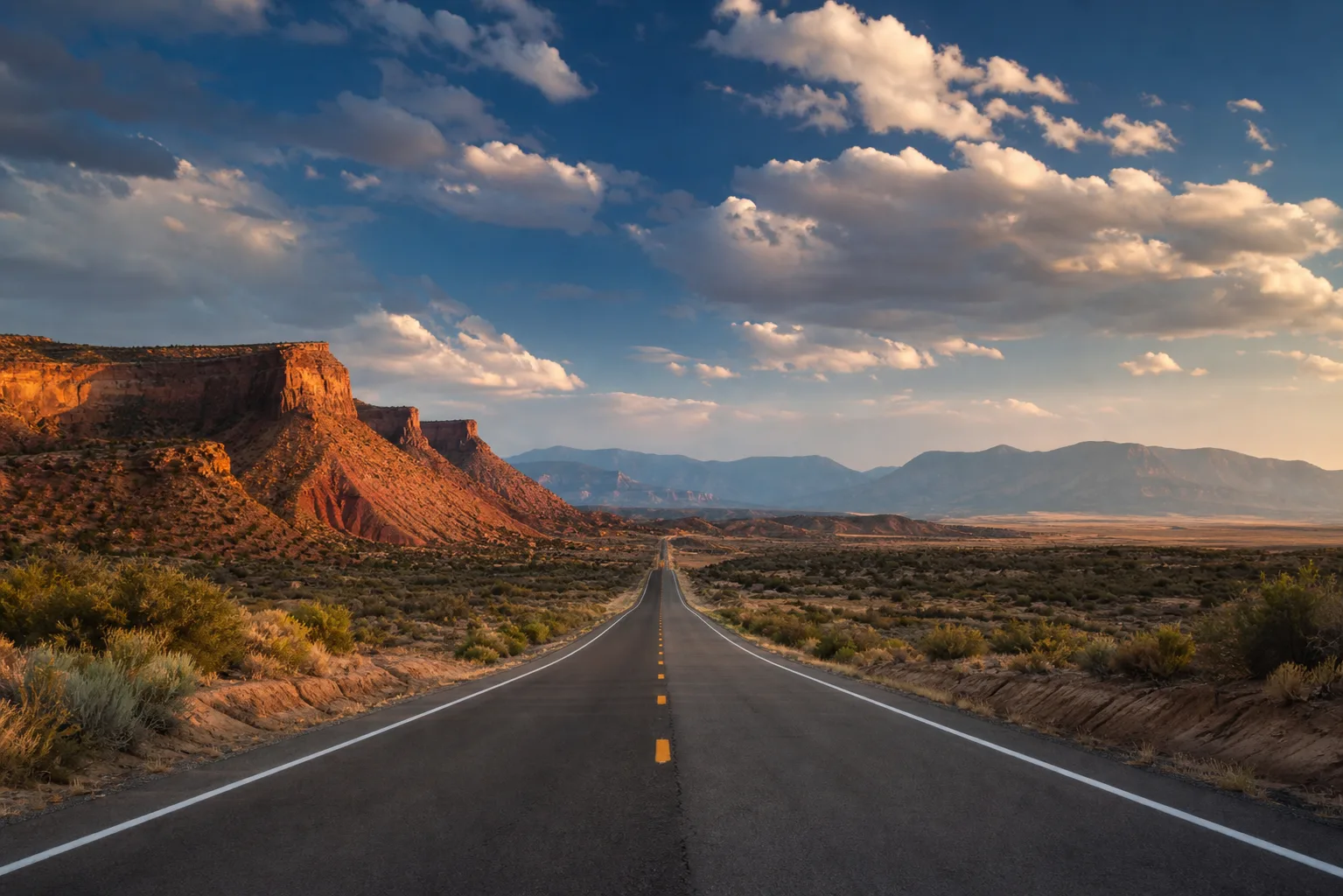
Anchor the day
Pick one priority stop and one realistic overnight target. Everything else can flex around weather, moods, traffic, and snack emergencies.
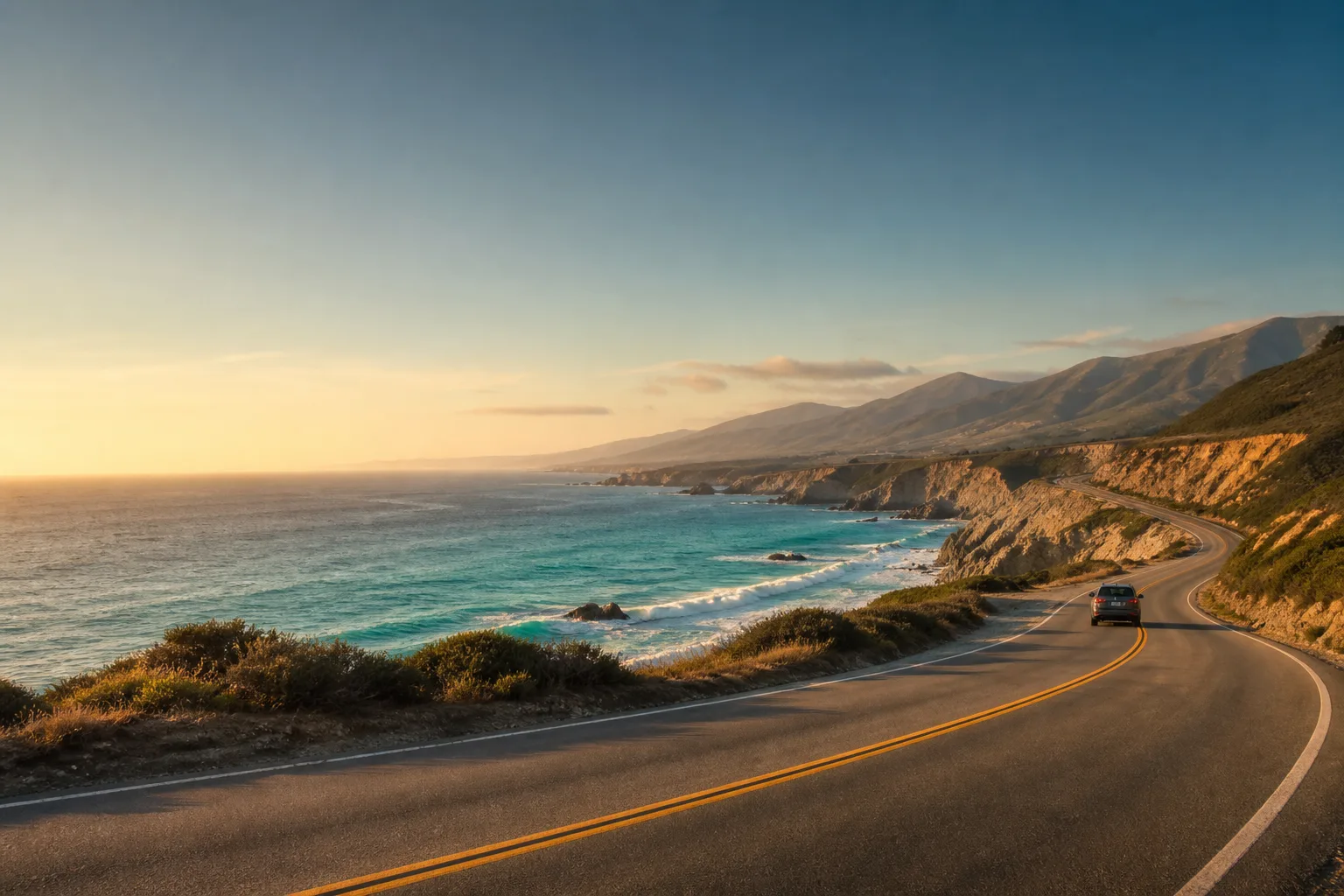
Wanderlust, with a plan
You do not need a minute-by-minute itinerary. You need a route that breathes, a car that is ready, a budget that feels honest, and a few brilliant stops you have checked before you go.
Your road trip rhythm
If you are staring at a blank map, start with four decisions: how many hours you want to drive each day, where you will sleep, what the car needs before departure, and what the trip can comfortably cost. Then use NPS Plan Your Visit or local visitor pages to check hours, alerts, reservations, and closures before a stop becomes the day's anchor.
Pick one priority stop and one realistic overnight target. Everything else can flex around weather, moods, traffic, and snack emergencies.
Estimate fuel, lodging, food, activities, parking, tolls, and a cushion. Use ranges, not wishful thinking: campgrounds and simple motels cost very different amounts by season and location.
Most groups do better with breaks every two to three hours, earlier starts, and a hard limit on late-night driving.
Start here
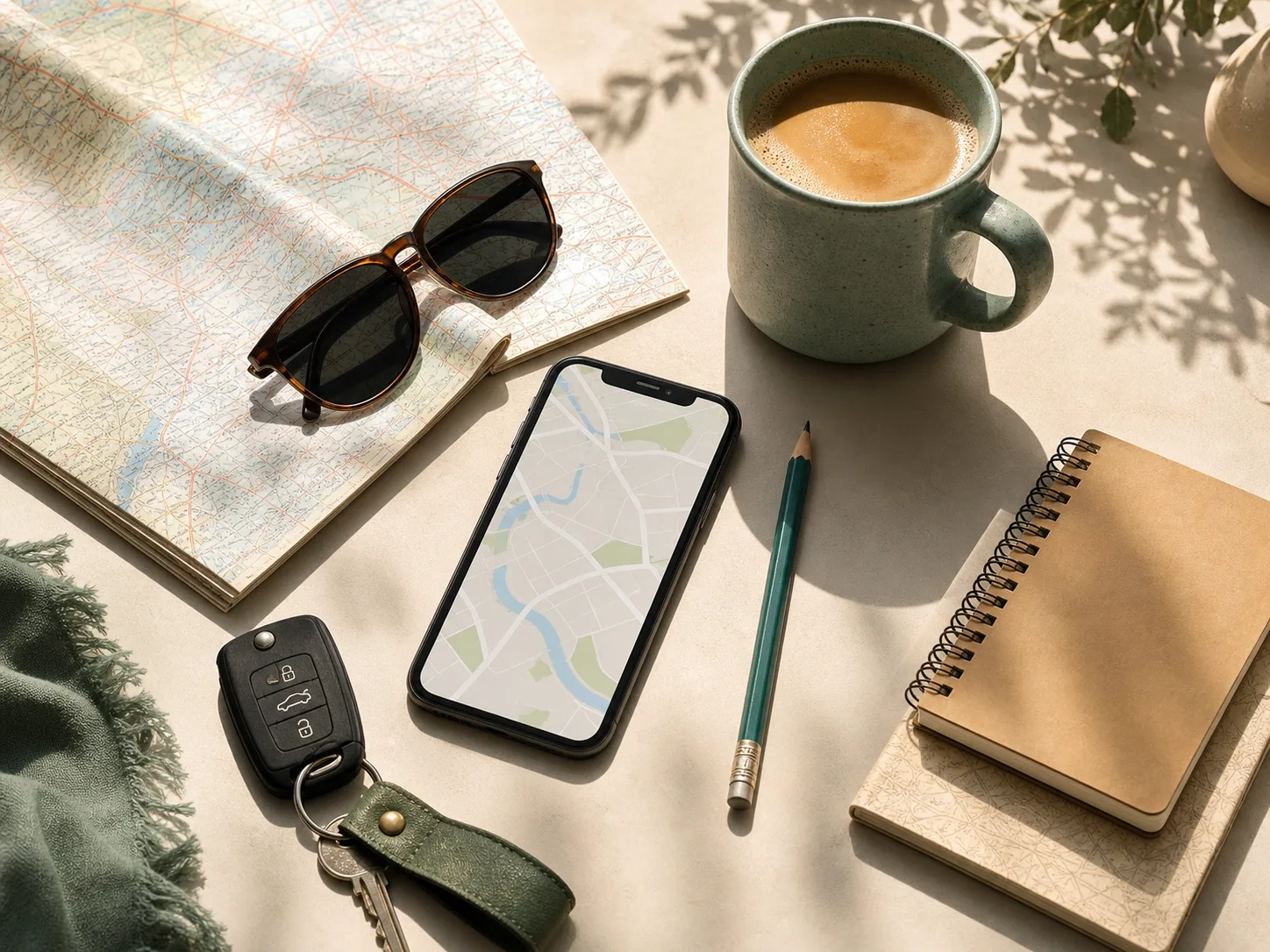
Map the miles, pace your days, and choose stops you have time to enjoy.
Plan the drive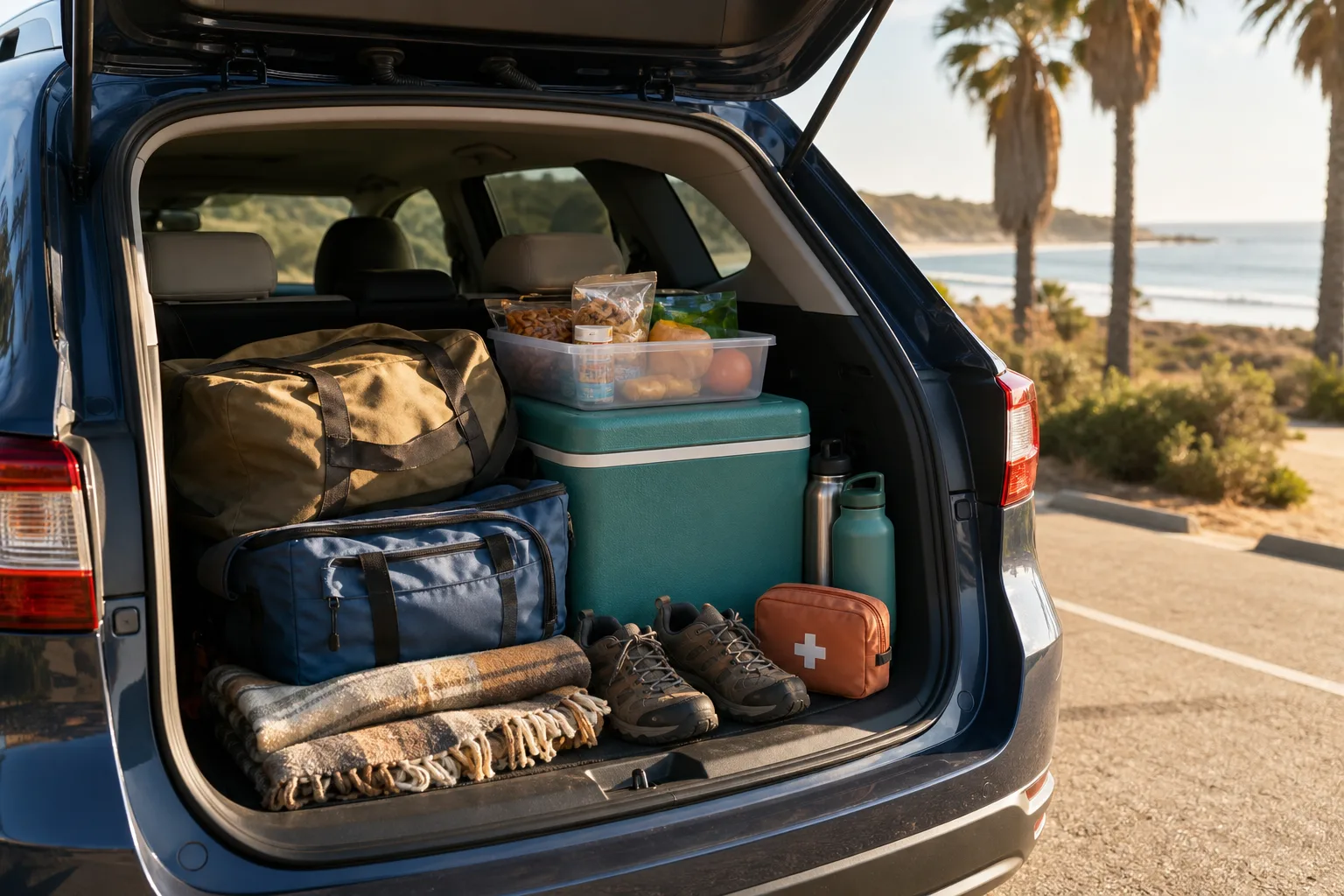
Bring what keeps you comfortable, safe, fed, charged, and ready for changes.
Pack with confidence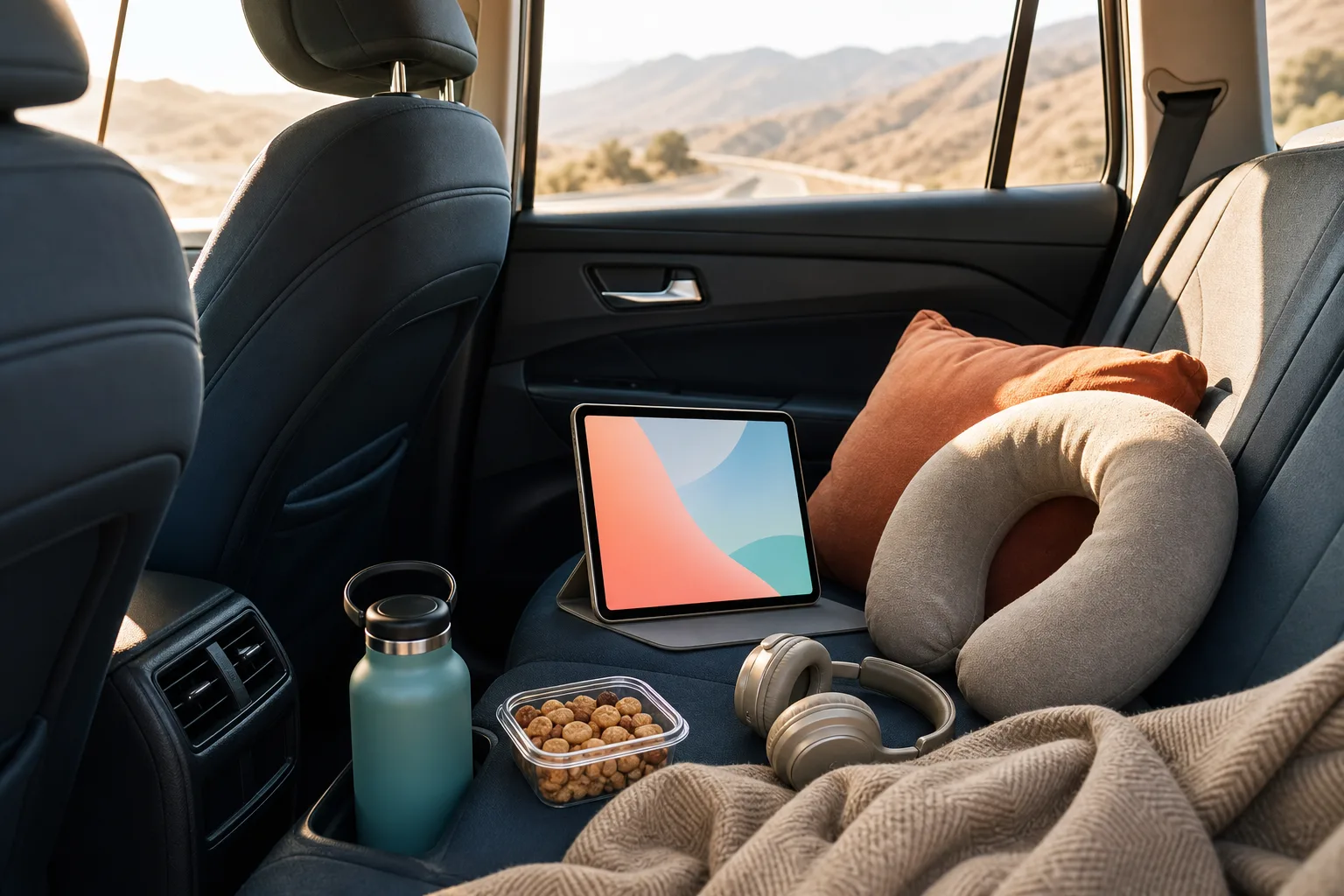
Keep everyone entertained, hydrated, rested, and calm across the long miles.
Enjoy the rideThe sweet spot
A smart road trip plan is more like a playlist than a train schedule. You know the mood, the order, and the destination, but you can skip, repeat, or linger when the day gets good. Reserve high-demand public campsites through Recreation.gov early, then keep one flexible meal or viewpoint each day for the unplanned part.