When should you stop?
Stop every two to three hours before anyone is desperate. Stretch, refill water, use the restroom, and look at something farther away than the windshield.
On the Road
If the car gets quiet in the wrong way, someone is probably hungry, cramped, carsick, bored, or tired. Build the day around resets every two to three hours, and check the National Weather Service before you commit to a remote, hot, snowy, or storm-prone stretch.

Stop every two to three hours before anyone is desperate. Stretch, refill water, use the restroom, and look at something farther away than the windshield.
Mix playlists, podcasts, quiet hours, car games, downloaded shows, and window-down scenic stretches so one activity does not wear thin.
Heavy eyelids, drifting speed, missed exits, and irritability are signs to swap drivers or stop for a real reset. Coffee is not a substitute for sleep.
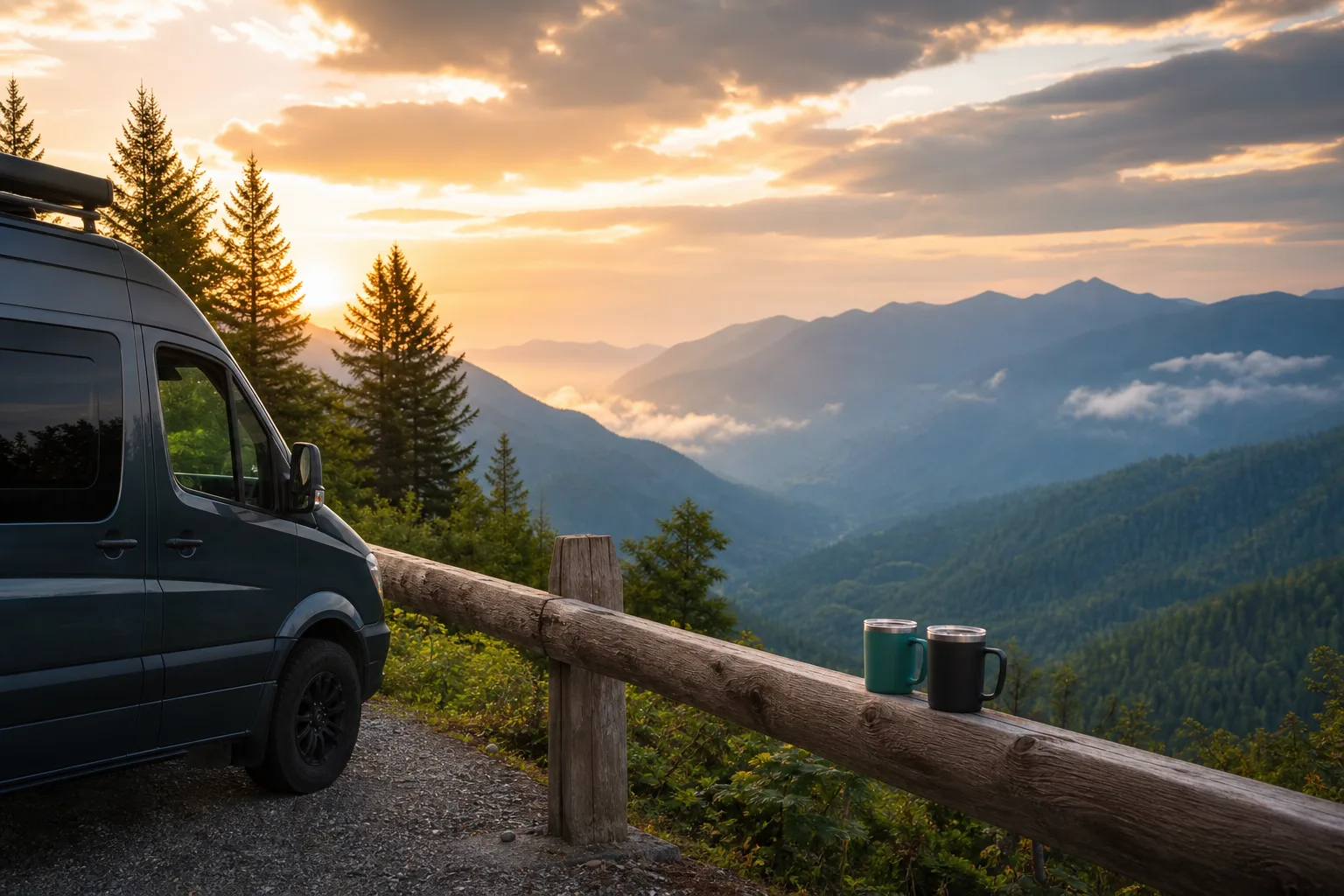
Rest areas are useful, but the best breaks give everyone a reason to step fully out of the car. A viewpoint, playground, local bakery, riverside walk, or small museum can turn a necessary pause into a highlight. If you are choosing a scenic alternate, America's Byways can help you find official routes built for lingering.

Plan an arrival window that leaves time for dinner, showers, a walk, and tomorrow's reset. If a public campground is full, compare official options through NPS campgrounds or the agency that manages the land.
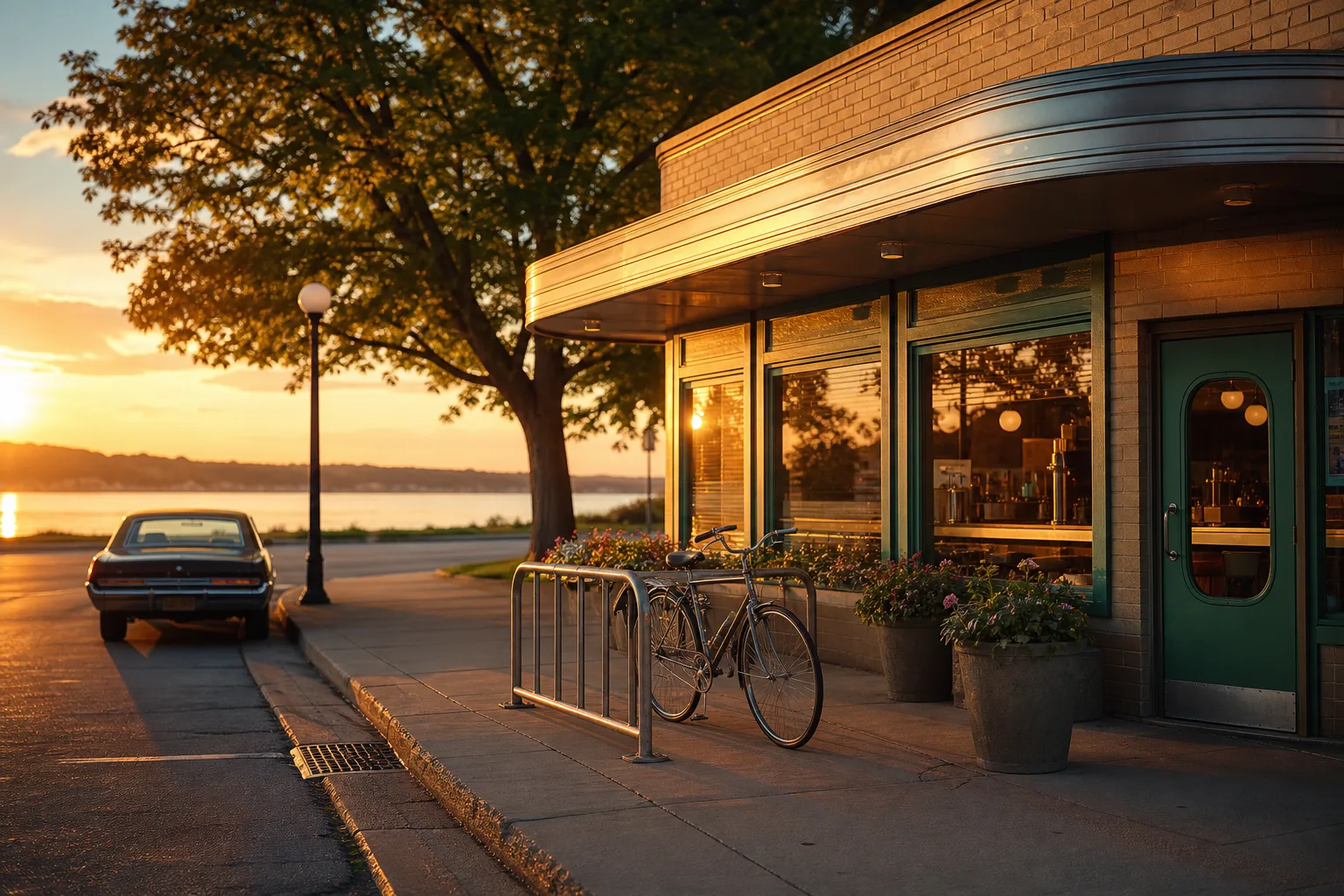
One local meal can lift an entire travel day, but food storage matters near wildlife. In bear country, follow NPS bear safety guidance and never leave scented items loose at a campsite or trailhead.